 Photo: Adobe StockSave this storySave this story
If there is one certainty among the many, many uncertainties in our world right now, it is this: Taking the time to care for ourselves should no longer be considered an indulgence. Rather, for so many reasons, it is a necessity. With skin care, though, there is another undeniable truth: It can often feel overwhelming. "The skin-care market has really boomed in the last few years," says Sejal Shah, MD, a board-certified dermatologist. "While this is great because it gives us a variety of new ingredients and formulations, this can be really confusing for the consumer—especially a newbie."
So forget everything you’ve seen on TikTok and start here, with this simple, no-nonsense guide to building a skin-care routine. We consulted a team of dermatologists to walk us through exactly which products you need, how to use them, which ones to avoid, and when to level up.
In this story:
- The Basics
- Skin-Care 101: The Foundation of Your Routine
- Skin-Care 201: Extra Credit
The Basics
Start simple
They say a good chef must first master a simple omelet. Think of your skin-care routine as your omelet. After you have a solid foundational routine in place and know that you can stick to it, you can add ingredients, if you choose. “You don’t need a dozen products to have healthy skin,” says board-certified dermatologist Jenna Queller, MD. “In fact, the more products you introduce at once, the harder it becomes to know what’s actually helping and what’s causing irritation.”
It may not sound very exciting, but keeping to the essentials and avoiding trendy ingredients or methods is your best bet. “Social media often promotes products that aren’t appropriate for everyone,” Dr. Queller says. Instead, she recommends “choosing products based on your skin type and concerns, rather than what’s currently popular online.”
Consider your skin type
Dr. Queller says she frequently sees people using products designed for someone else's skin type. “A friend’s favorite product may not be appropriate for your skin, and what works well for one person can cause irritation or breakouts for another.”
Introduce one product at a time
Start simple and slow. “I recommend introducing only one new product every two to four weeks,” says board-certified dermatologist Kseniya Kobets, MD. “That way, if you develop irritation, it’s much easier to identify the culprit instead of guessing between five new products.”
Stay consistent
Sticking with your routine—provided you don't have any reactions to the products—is key to seeing results. “One of the biggest misconceptions is that skin care works overnight,” says Dr. Queller. “Most active ingredients need at least six to 12 weeks of consistent use before you see meaningful improvement.”
Don’t be afraid to ask for help
You don’t have to do this alone. If you’re dealing with issues like persistent acne, eczema, rosacea, melasma, or just want to fact-check your routine, it’s worth visiting a dermatologist. “A personalized treatment plan can often save months of frustration,” says Dr. Queller, “and help you achieve better results more quickly.”
Skin-Care 101: The Foundation of Your Routine
Step 1: Cleanse
You can’t cook an omelet in a dirty pan (well, you can, but it wouldn’t pass a health inspection). Using a gentle cleanser twice per day—once in the morning, once in the evening—is where you should start.
Cleansing in the morning will help remove any evidence of sweat or oil left from your beauty sleep, says board-certified dermatologist Divya Shokeen, MD. If you have very dry or sensitive skin, you can skip the product and just rinse your face with water in the morning to keep things as gentle as possible; but cleansing in the evening is a nonnegotiable, since you’ll have accumulated a day’s worth of all kinds of pore-clogging culprits (makeup, sweat, dead skin cells, and other debris). Plus, Dr. Queller notes, “a properly cleansed face allows the rest of your skin-care products to work more effectively.”
Lukewarm water is best, as hot water can cause redness or irritation. And though you may see all manner of scrubbers, washcloths, and brushes online, Dr. Queller says good old-fashioned fingertips are the best option, as brushes can be harsh on the skin and bristles or fabric collect bacteria over time. “Massage the cleanser into the skin for about 30 to 60 seconds before rinsing,” she says.
Choosing a facial cleanser for this step depends entirely on your skin type. When in doubt, though, “any skin type will tolerate a hydrating cleanser,” says board-certified dermatologist Michele Farber, MD.
Oily skin
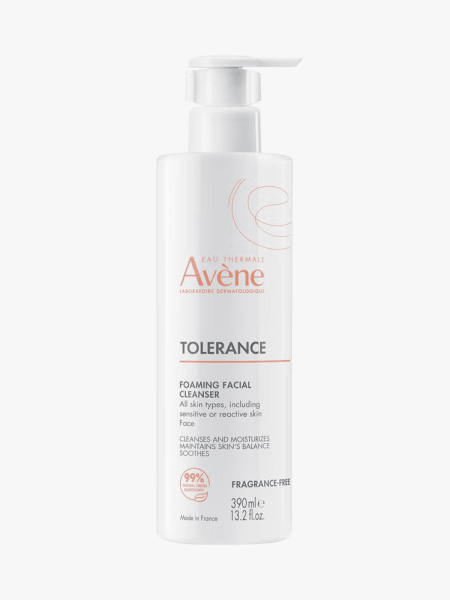
For oily skin types Dr. Kobets recommends a foaming cleanser, because the lather literally breaks down and lifts away excess oil and dirt from your pores, which, left uncleansed, would eventually lead to a breakout. She suggests Avène Tolerance Foaming Facial Cleanser—formulated with trusty hydrating ingredients like niacinamide and glycerin—as the foaming action doesn’t strip away too much moisture.
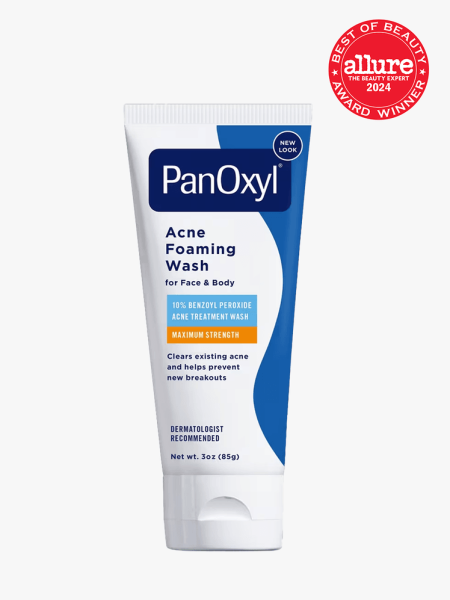
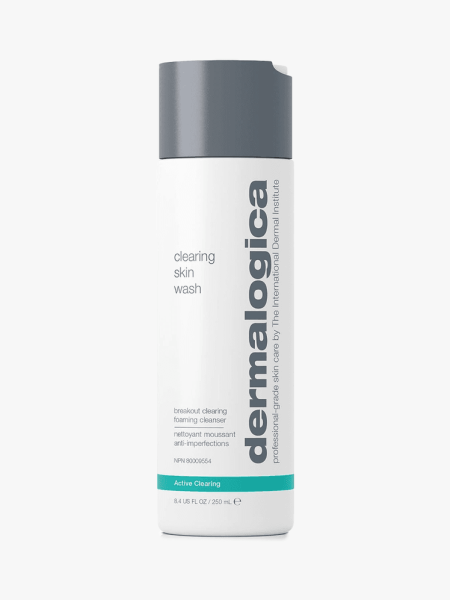
For those battling breakouts or acne, a more targeted cleanser could do the trick. PanOxyl Acne Foaming Wash uses a high concentration of benzoyl peroxide, which, Dr. Kobets says, can help kill acne-causing bacteria. Or try Dermalogica Acne Clearing Skin Wash, which is formulated with salicylic acid and clears away buildup in your pores.
 Save to wishlist
Avène
Tolerance Foaming Facial Cleanser
Amazon
Dermstore
Ulta Beauty
 Save to wishlist
Panoxyl
Acne Foaming Wash
Amazon
 Save to wishlist
Dermalogica
Acne Clearing Skin Wash
Amazon
Ulta Beauty
Dry skin
“If your skin feels tight after washing, opt for a hydrating cleanser,” says Dr. Kobets, who recommends Prequel Gleanser and CeraVe Hydrating Cleanser. They contain the same type of hydrating ingredients, like hyaluronic acid and glycerin, you might see in moisturizers.
Dr. Queller seconds the CeraVe cleanser suggestion, but also recommends La Roche-Posay Toleriane Hydrating Gentle Cleanser: “They’re both excellent options because they contain ceramides and other moisturizing ingredients that help support the skin barrier while leaving the skin clean, soft, and hydrated, rather than tight or dry,” she says.
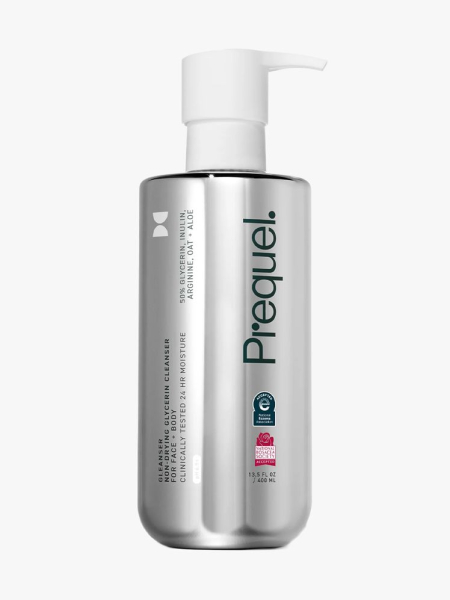 Save to wishlist
Prequel
Gleanser
Amazon (2-Pack)
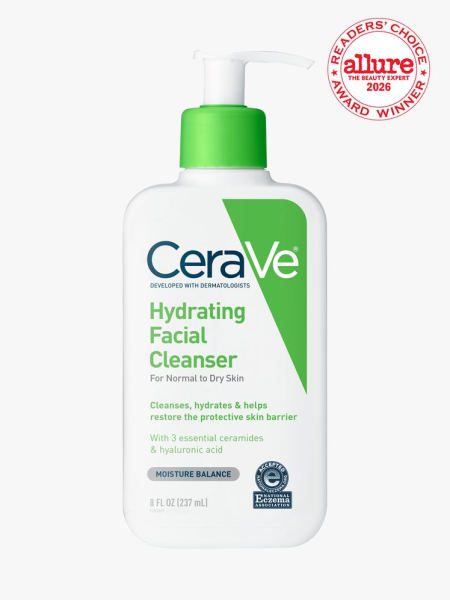 Save to wishlist
CeraVe
Hydrating Cleanser
Amazon
Ulta Beauty
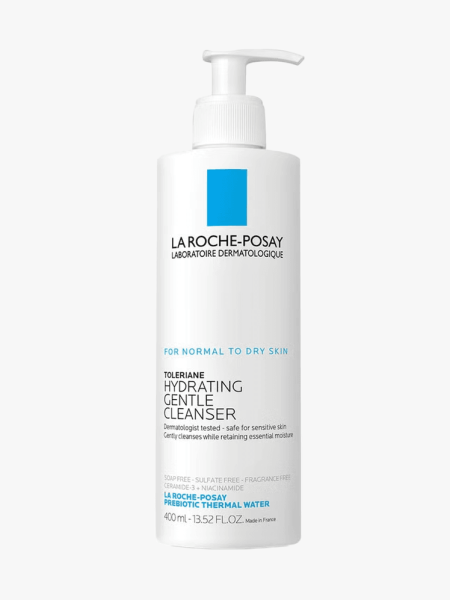 Save to wishlist
La Roche-Posay
Toleriane Hydrating Cleanser
Amazon
Ulta Beauty
Sensitive skin
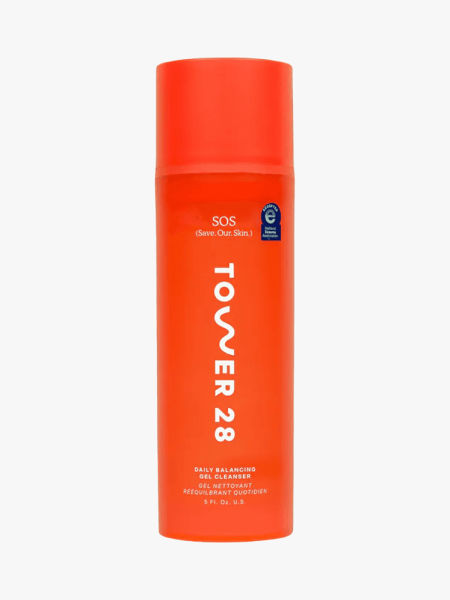
Hydrating cleansers are usually good options for those prone to inflammation, but be sure they don’t include any added fragrance, essential oils, or botanical extracts. “They can be common causes of allergic reactions and irritation,” says Dr. Queller, who recommends Vanicream Gentle Facial Cleanser because “it gently cleanses the skin without compromising the skin barrier.” Opting for a cleanser with soothing ingredients like aloe or oat extract, found in Tower 28 SOS Gentle Hydrating Gel Cleanser, can help calm down an active flare-up.
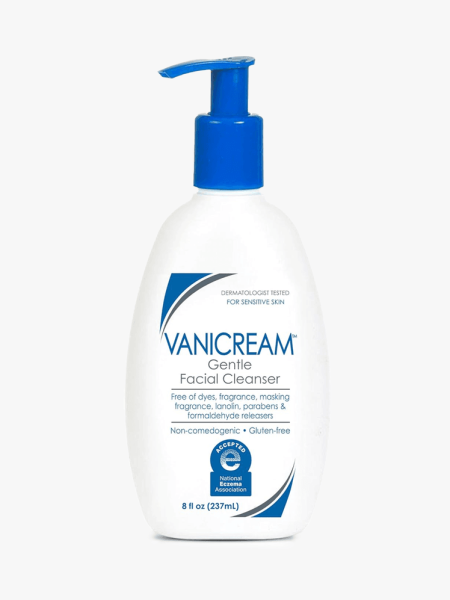 Save to wishlist
Vanicream
Gentle Facial Cleanser
Amazon
Ulta Beauty
 Save to wishlist
Tower 28
SOS Gentle Hydrating Gel Cleanser
Amazon
Sephora
Credo Beauty
Step 2: Moisturize
Now that you have a clean slate, it’s time to start feeding your skin the good stuff. “Moisturizer is an important step for every skin type, not just dry skin,” says Dr. Queller. “It helps support the skin barrier, prevent water loss, and keep skin balanced.”
Apply moisturizer while your skin is still slightly damp from cleansing to lock in that hydration, making sure to cover the face and neck, she adds.
Oily skin
If you have oily or acne-prone skin, please don't think you can (or should) skip daily moisturizer use. Says Dr. Shokeen, "Over-washing without the appropriate use of a moisturizer will actually trigger an over-production of oil on your skin."
Dr. Farber explains further: "No matter how oily or acne-prone your skin may feel, it will become dry without rehydration, and dried-out skin is irritated skin."
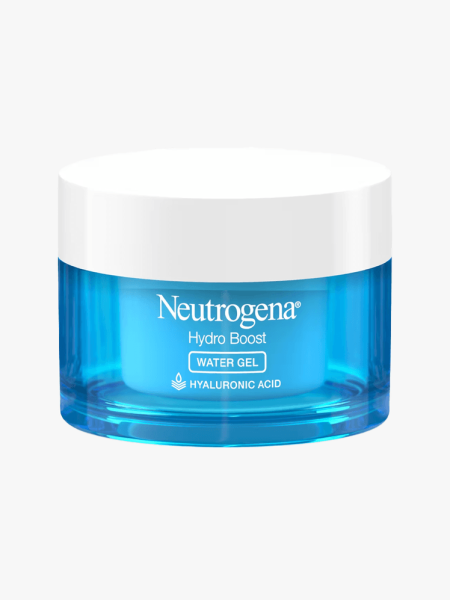
However, those with oily skin should seek out moisturizers that are labeled “noncomedogenic,” meaning a product that does not contain ingredients known to clog pores and cause more breakouts, Dr. Shokeen explains. Dr. Shokeen, Dr. Queller, and Dr. Kobets all recommend Neutrogena Hydro Boost Water Gel, a hydrating but lightweight gel-based moisturizer.
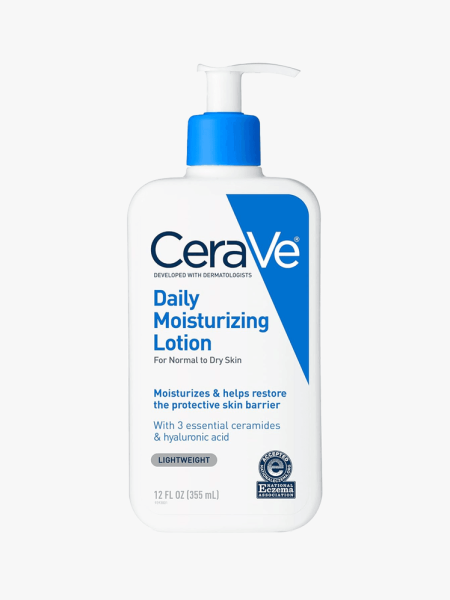
“Formulations containing larger amounts of dimethicone or richer emollients can become overly occlusive in acne-prone individuals and worsen congestion,” Dr. Kobets notes. “I generally recommend gels or lotion for patients who are oily or prone to breakouts.” If you need a slight step up from gel hydration, a lotion formula (like the CeraVe Daily Moisturizing Lotion) is a good middle ground between gel and dense cream.
 Save to wishlist
Neutrogena
Hydroboost Water Gel
Ulta Beauty
 Save to wishlist
CeraVe
Daily Moisturizing Lotion
Amazon
Ulta Beauty
Dry or sensitive skin
Unlike oily skin, dry or inflamed skin can actually benefit from a richer cream that contains oils or lipids to help restore a damaged skin barrier. Look for “barrier-supporting ingredients like glycerin, ceramides, niacinamide, or squalane,” says Dr. Kobets.
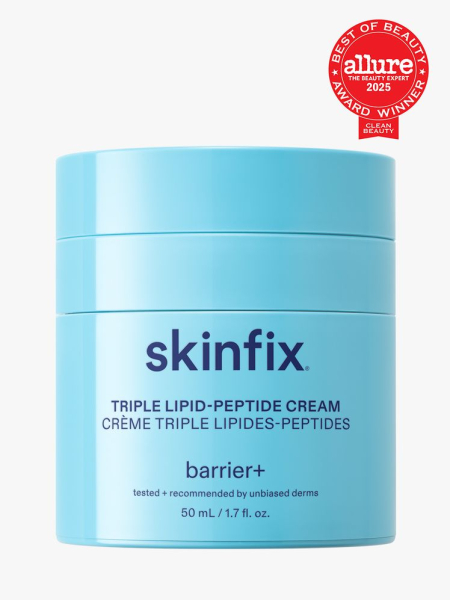
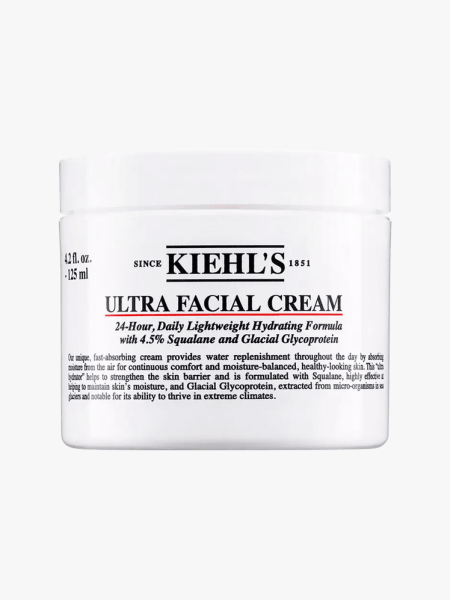
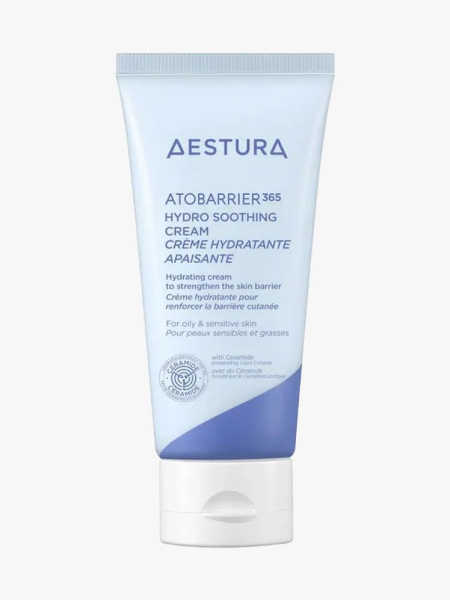
Skinfix Triple Lipid Peptide Cream is packed with ceramides and fatty acids to help replenish moisture, and a humectant blend to help lock it in. Kiehl's Ultra Facial Cream is formulated with squalane, a lipid used to seal in moisture, and Aestura Atobarrier365 Hydro Soothing Cream features compressed hyaluronic acid for moisture and super rich dimethicone as an emollient.
 Save to wishlist
Skinfix
Triple Lipid Peptide Cream
Ulta Beauty
Sephora
 Save to wishlist
Kiehl's
Ultra Facial Cream
Amazon
Nordstrom
Ulta Beauty
 Save to wishlist
Aestura
AtoBarrier365 Hydro Soothing Cream
Amazon
Sephora
Step 3: Protect
In the evening, steps one and two (cleansing and moisturizing) are truly all you need before bed. But in the morning, you should be adding a third step: SPF. "Sunscreen is your first line of defense and protection against skin cancer," Dr. Farber explains. "If you were to do nothing else for your skin, sun protection is the most important."
Opt for using a broad-spectrum sunscreen—a formula that protects your skin from UVA and UVB rays—every day, with at least SPF 30, no matter what your plan is. “You’re always getting intermittent UV exposure throughout the day—walking to your car, loading groceries, or driving,” says Dr. Kobets. Sitting on the couch all day? Surprise! You still have windows. There is truly no situation in which you should skip this step.
While an SPF 100 does block slightly more UVB radiation, it does not protect twice as well or last twice as long. “What matters much more is applying enough sunscreen—about one-half teaspoon for the face and neck—and reapplying every two hours when you’re outdoors or after swimming or sweating,” says Dr. Kobets. “I’d much rather see someone apply SPF 30-50 correctly and reapply it than use SPF 100 once in the morning and forget about it.”
Oily skin
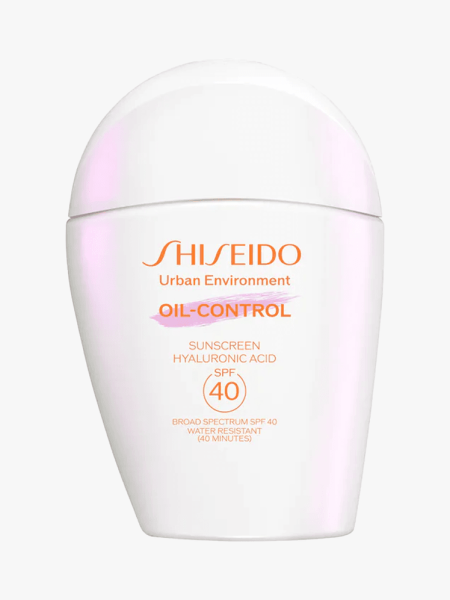
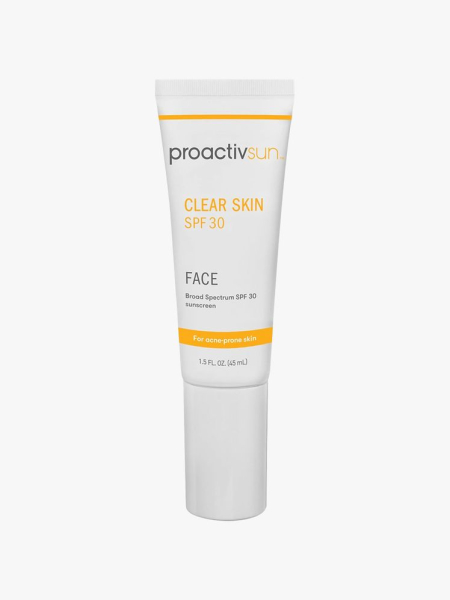
The market isn’t short on lightweight, oil-free SPF options. Shiseido Urban Environment Oil-Free SPF is a good bet, says Dr. Kobets of the mineral formula that doesn’t leave a white cast. We also recommend the Proactiv Clear Skin SPF 30, which has a matte finish to help combat any greasiness.
 Save to wishlist
Shiseido
Urban Environment Oil-Free Mineral Sunscreen
Amazon
Nordstrom
Ulta Beauty
 Save to wishlist
Proactiv
Clear Skin SPF 30
Amazon
Ulta Beauty
Dry skin
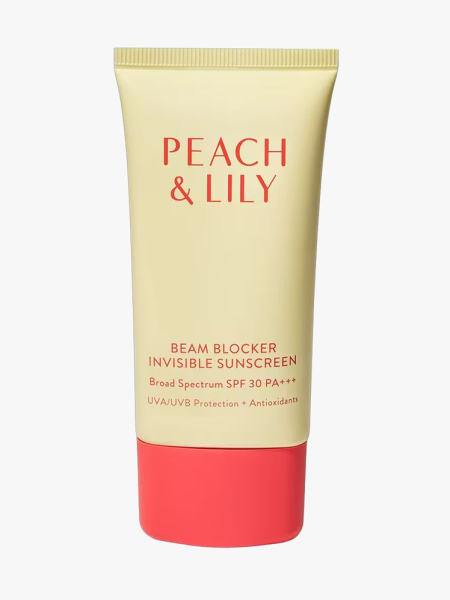
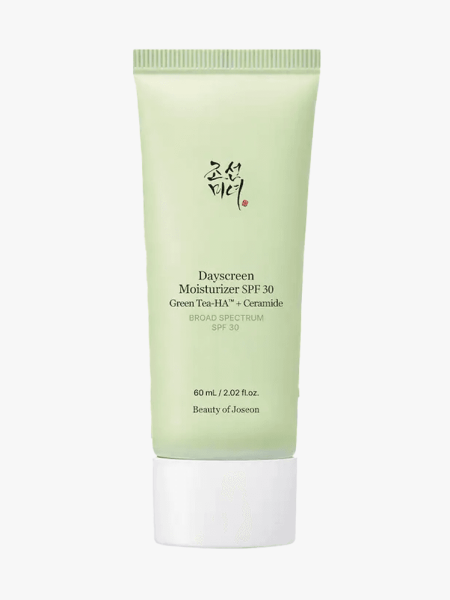
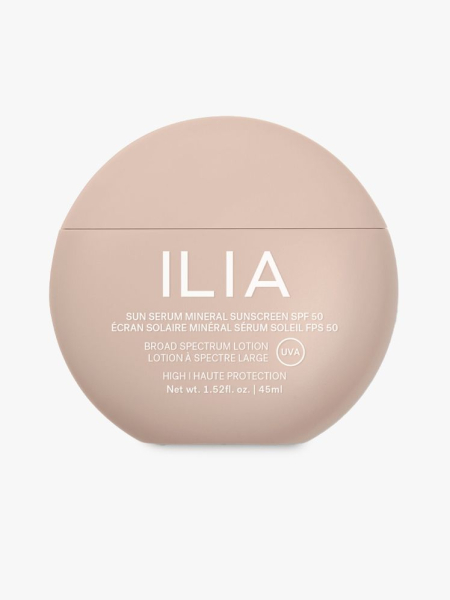
Peach and Lily Beam Blocker Invisible Sunscreen contains ceramides, squalane, niacinamide, and aloe to help soothe and hydrate your skin, and Beauty of Joseon Dayscreen SPF 30 Moisturizer is a hydrating, lightweight option formulated with hyaluronic acid. If you want a little color in your SPF, Ilia Sun Serum Mineral Sunscreen has a super subtle tint, and it’s formulated with hyaluronic acid.
 Save to wishlist
Peach & Lily
Beam Blocker Invisible Sunscreen SPF 30
Ulta Beauty
 Save to wishlist
Beauty of Joseon
Dayscreen Moisturizer SPF 30
Sephora
 Save to wishlist
Ilia
Sun Serum Mineral Sunscreen
Amazon
Nordstrom
Ulta Beauty
Sensitive skin
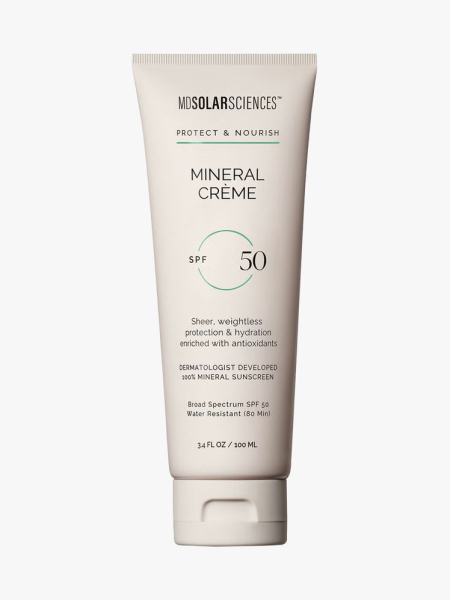
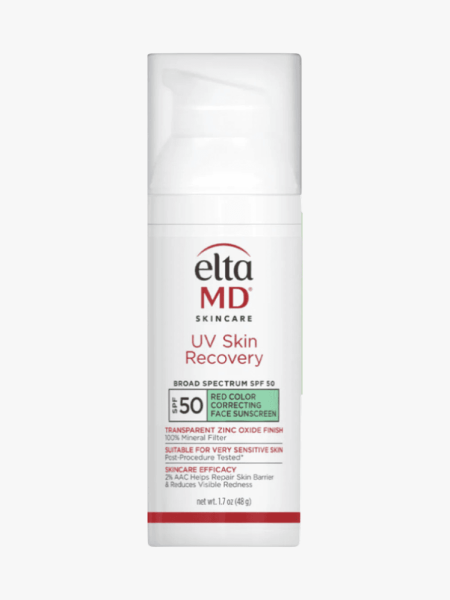
For reactive skin, Dr. Queller likes MD Solar Sciences Mineral Crème SPF 50, which is fragrance-free and noncomedogenic. If you have rosacea or are dealing with redness, there are plenty of sensitive-skin-friendly SPFs that have color correction built in, such as EltaMD UV Skin Recovery Red Color Correcting Green Tint SPF 50.
 Save to wishlist
MDSolarSciences
Mineral Cream SPF 50
Amazon
Nordstrom
Dermstore
 Save to wishlist
EltaMD
UV Skin Recovery Red Color Correcting Green Tint SPF 50
Amazon
EltaMD
Skin-Care 201: Extra Credit
With cleansing, moisturizing, and SPF, you have everything you need to get started. After you’ve mastered that omelet, though, you may want to add a few extra steps, such as products that target specific issues you may have.
Exfoliants
Exfoliating as part of the cleansing step—physically or chemically—can help slough away excess buildup and improve dull skin. But it’s easy to overdo it and leave your skin in worse condition than when you started. “If you use a physical scrub, be very gentle, and limit it to every one to two weeks,” says Dr. Kobets. “I also wouldn’t use it on the same day you’re introducing a new product or using a retinoid.”
Chemical exfoliants leave a little less room for error and abrasion, but are best used after consulting with a dermatologist.
Serums
Facial serums are high-potency, lightweight topicals that are formulated with a higher concentration of active ingredients to target more specific skin concerns. They’re meant to be sandwiched between your cleanser and your moisturizer.
“Treat what you actually have,” says Dr. Kobets. So if you’re dealing with dry skin, opt for a hyaluronic acid serum. For brightening or treating pigmentation, try adding a vitamin C serum to your routine, she says. Just don’t feel like you need to add serum after serum just for the sake of it.
Masks
“Think of masks as occasional treatments rather than necessities,” says Dr. Kobets. “Hydrating masks containing ingredients like glycerin, hyaluronic acid, squalane, and niacinamide—without added fragrance or botanicals—are my go-to. For most people, they’re more useful than aggressive exfoliating masks. They’re also great before a night out or before applying makeup, especially right after a shower, to give the skin an extra boost of hydration.”
Retinoids
“Retinoids are one of the most well-studied ingredients for treating acne, fine lines, uneven pigmentation, and improving overall skin texture,” says Dr. Queller. “I recommend starting slowly by applying a retinoid two nights per week, and gradually increasing frequency as your skin tolerates it.” Retinoids should always be followed by moisturizer, she adds, and used consistently with daily sunscreen, because they can be sensitizing.
Meet the experts:
- Michele Farber, MD, is a board-certified dermatologist based in New York City.
- Kseniya Kobets, MD, is a board-certified dermatologist and director of cosmetic dermatology at Montefiore Einstein Advanced Care Dermatology.
- Jenna Queller, MD, is a board-certified dermatologist based in Boca Raton, FL.
- Sejal Shah, MD, is a board-certified dermatologist based in New York City.
- Divya Shokeen, MD, is a board-certified dermatologist based in Manhattan Beach, CA.
Additional reporting by Rebecca Dancer.